
在大峡谷西
当您游览西部大峡谷时,您就进入了始建于 1883 年的哈拉派保留地。这里居住着 1600 多人,其中有 1353 名部落成员。作为一个拥有主权的印第安民族,该部落自给自足。部落企业之一是西部大峡谷(Grand Canyon West),它是大峡谷国家公园(Grand Canyon National Park)的替代景点。游客在体验华拉佩部落的遗产和丰富传统的同时,也会得到真正的享受。.
THE RESERVATION
“Hualapai” means “People of the Tall Pines.” The Hualapai Tribe’s reservation encompasses about one million acres along 108 miles of the Grand Canyon and Colorado River. Occupying part of three northern Arizona counties: Coconino, Yavapai, and Mohave, the reservation’s topography varies from rolling grassland to thick forests to rugged canyons. Elevations range from 1,500 feet at the Colorado River to over 7,300 feet at the highest point of the Aubrey Cliffs.
An outdoorsman’s paradise, the reservation is rich in hunting, fishing, and river rafting opportunities. In addition to the attractions at Grand Canyon West, the Tribe sells guided big-game hunting permits for desert bighorn sheep, trophy elk, antelope, and mountain lion. The Hualapai River Runners, the only Indian-owned and operated river rafting company on the Colorado River, offers one and two-day trips.
THE HUALAPAI BIRD SINGERS
The Hualapai Tribe has thrived at the Grand Canyon West Rim for centuries. As one people in unity, these Native Americans rely on each other to survive, using song to share their journeys through life. The live performances by the Hualapai Bird Singers at the Grand Canyon West are about the Hualapai Tribe’s culture, a culture steeped in the belief that the universe and the earth are connected in a circle with no beginning or end. Women and men of all ages perform for guests at Eagle Point before or after they walk on the sky at the world’s only Grand Canyon Skywalk.
THE SONGS
部落的男人们是每场演出的主心骨。这些歌曲是在他们的梦中产生的,是他们与精神世界的联系自然流淌出来的。其他歌曲则是年轻人向长辈学习后代代相传的。伴随他们母语吟唱的是鼓点和马拉卡的节奏声。.
THE DANCES
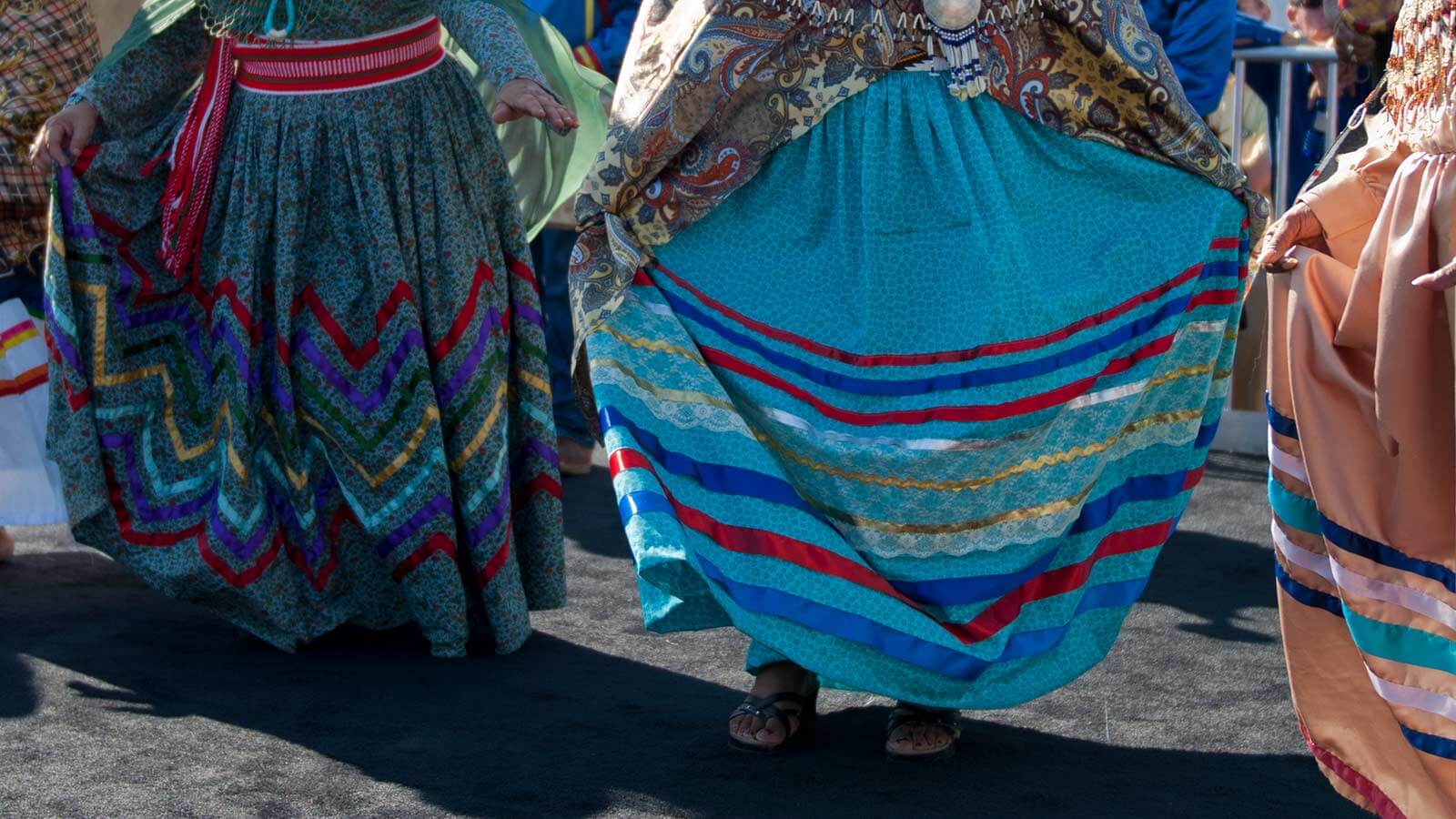
While the men play and chant, the ladies of the Hualapai Bird Singers dance to their tribal sounds in regalia adorned in colorful, meaningful shawls. The beading represents the breast of the mighty eagle and the shawls its wings, a bird that is very important to the spiritual guidance of the Tribe. The colorful dresses they wear today replace the buckskin and yucca leaves of days gone by. Today’s traditional garment includes ribbon detailing representing the universe, the earth, the sky, and the stars.
当歌声响起时,妇女们就会模仿鸟舞开始舞动。她们经常加入吟唱。当她们随着音乐摇摆时,她们会伸出双臂,为她们跳舞的土地以及周围的人和事祈福。这些舞蹈代表着部落的旅程,由年长的妇女分享并传给年轻一代。.
THE TRADITIONS
These songs and dances the Hualapai Bird Singers perform have survived hundreds of years through traditions carried on by generations of the Hualapai Tribe. Today’s Tribesmen recall years gone by when their grandfathers would rise before the sun to sing and dance in their own homes—the songs a gift to the universe and the earth, as they sang their blessings that they had lived another day. They sang about what they have learned from the past and how they look toward the future that will bring happiness and a good life. Eventually, the songs and dances created in their homes would be performed with the Tribe, a tradition carried on today that you can witness when you visit Eagle Point at Grand Canyon West. Multiple performances are held daily at Eagle Point on a covered open-air, circular stage.
THE VILLAGES
One of the many misconceptions about Native Americans is they all lived in teepees. Visitors to the Grand Canyon West can take a self-guided tour through an authentic Native American village for a view of local and regional tribal heritage and tradition. The Native American Village at Eagle Point lets guests imagine a simpler time when Hualapai, Navajo, Plains, Hopi, Havasupai, and other Indian Tribes roamed the lands. People can stroll through traditionally built housing, ovens, and sweat lodges to see the unique architecture, style, and functionality of each structure and feature.