
EN EL GRAN CAÑÓN OESTE
Cuando visitas el Gran Cañón Oeste, estás entrando en la reserva Hualapai, establecida en 1883. Más de 1600 personas viven aquí, con 1353 miembros de la tribu. Como nación indígena soberana, la tribu es autosuficiente. Una de las empresas tribales es el Gran Cañón Oeste, que ofrece una alternativa al Parque Nacional del Gran Cañón. Los visitantes disfrutarán de una experiencia única al conocer el patrimonio y las ricas tradiciones de la tribu Hualapai.
LA RESERVACIÓN
“Hualapai” significa “gente de los pinos altos”. La reserva de la tribu Hualapai abarca alrededor de un millón de acres a lo largo de 174 kilómetros del Gran Cañón y el río Colorado. Ocupa parte de tres condados del norte de Arizona: Coconino, Yavapai y Mohave, y su topografía varía desde praderas onduladas hasta densos bosques y escarpados cañones. Las altitudes oscilan entre los 457 metros del río Colorado y los más de 2200 metros del punto más alto de los acantilados Aubrey.
Paraíso para los amantes de las actividades al aire libre, la reserva ofrece numerosas oportunidades para practicar la caza, la pesca y el rafting. Además de las atracciones del Gran Cañón Oeste, la tribu vende permisos guiados para la caza mayor de borregos cimarrones del desierto, alces, antílopes y pumas. Hualapai River Runners, la única empresa de rafting en el río Colorado propiedad de indígenas y gestionada por ellos, ofrece excursiones de uno y dos días.
LOS CANTANTES DE PÁJAROS HUALAPAI
La tribu Hualapai ha prosperado en el borde oeste del Gran Cañón durante siglos. Como un pueblo unido, estos nativos americanos dependen unos de otros para sobrevivir y utilizan el canto para compartir sus experiencias vitales. Las actuaciones en vivo de los Hualapai Bird Singers en el Gran Cañón Oeste tratan sobre la cultura de la tribu Hualapai, una cultura impregnada de la creencia de que el universo y la tierra están conectados en un círculo sin principio ni fin. Mujeres y hombres de todas las edades actúan para los visitantes en Eagle Point antes o después de caminar por el cielo en el único puente colgante del mundo, el Grand Canyon Skywalk.
LAS CANCIONES
Los hombres de la tribu son el corazón de cada actuación. Las canciones surgen de sus sueños, fluyendo naturalmente de ellos gracias a su conexión con el mundo espiritual. Otras canciones se transmiten de generación en generación, a medida que los jóvenes aprenden de sus mayores. Acompañando a sus cánticos en lengua nativa se encuentran los sonidos rítmicos de los tambores y las maracas.
LOS BAILES
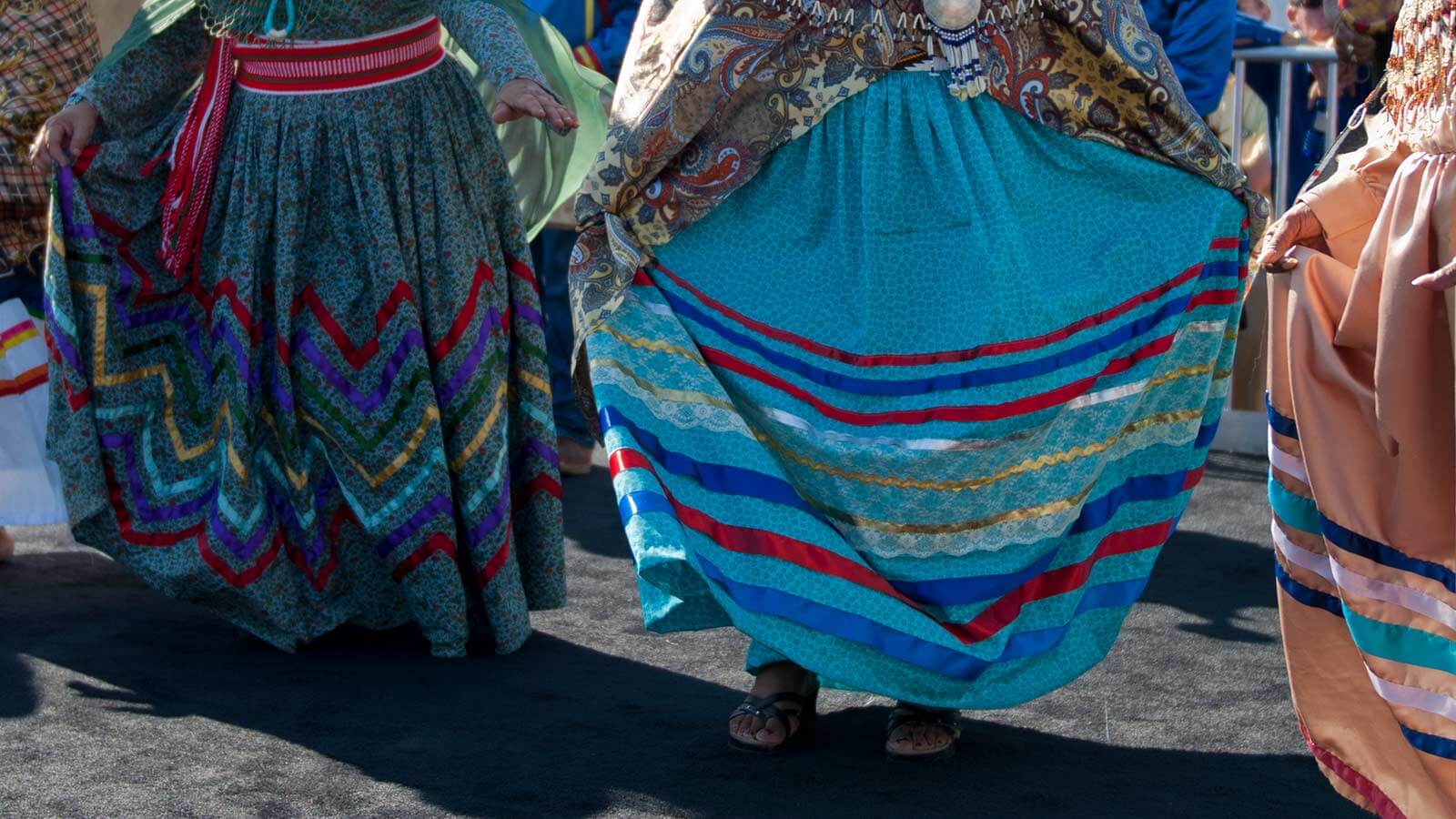
Mientras los hombres tocan y cantan, las mujeres de las Hualapai Bird Singers bailan al son de los ritmos tribales con trajes adornados con coloridos y significativos mantones. Los abalorios representan el pecho del poderoso águila y los mantones sus alas, un ave muy importante para la guía espiritual de la tribu. Los coloridos vestidos que llevan hoy en día sustituyen a la piel de ante y las hojas de yuca de antaño. La vestimenta tradicional actual incluye detalles de cintas que representan el universo, la tierra, el cielo y las estrellas.
Las mujeres comienzan a moverse cuando empieza la canción, imitando los bailes de los pájaros. A menudo se unen al canto. Mientras se balancean al ritmo de la música, extienden los brazos y bendicen la tierra sobre la que bailan y a todas las personas y cosas que las rodean. Estos bailes representan los viajes de la tribu, compartidos por las mujeres mayores y transmitidos a las generaciones más jóvenes.
LAS TRADICIONES
Las canciones y danzas que interpretan los Hualapai Bird Singers han sobrevivido durante cientos de años gracias a las tradiciones transmitidas por generaciones de la tribu Hualapai. Los miembros de la tribu de hoy recuerdan los años pasados, cuando sus abuelos se levantaban antes del amanecer para cantar y bailar en sus propios hogares, ofreciendo sus canciones como un regalo al universo y a la tierra, mientras cantaban sus bendiciones por haber vivido un día más. Cantaban sobre lo que habían aprendido del pasado y cómo miraban hacia un futuro que les traería felicidad y una buena vida. Con el tiempo, las canciones y danzas creadas en sus hogares se interpretaban con la tribu, una tradición que se mantiene hoy en día y que se puede presenciar cuando se visita Eagle Point en el Gran Cañón Oeste. En Eagle Point se celebran múltiples actuaciones diarias en un escenario circular al aire libre cubierto.
LOS PUEBLOS
Uno de los muchos conceptos erróneos sobre los nativos americanos es que todos vivían en tipis. Los visitantes del Gran Cañón Oeste pueden realizar una visita autoguiada por una auténtica aldea nativa americana para conocer el patrimonio y las tradiciones tribales locales y regionales. La aldea nativa americana de Eagle Point permite a los visitantes imaginar una época más sencilla en la que los hualapai, los navajos, los plains, los hopi, los havasupai y otras tribus indias vagaban por estas tierras. Los visitantes pueden pasear por viviendas construidas de forma tradicional, hornos y cabañas de sudación para ver la arquitectura, el estilo y la funcionalidad únicos de cada estructura y elemento.